Por
Organic Visibility: 6 ways to position your E-commerce on Google (without paying for ads).
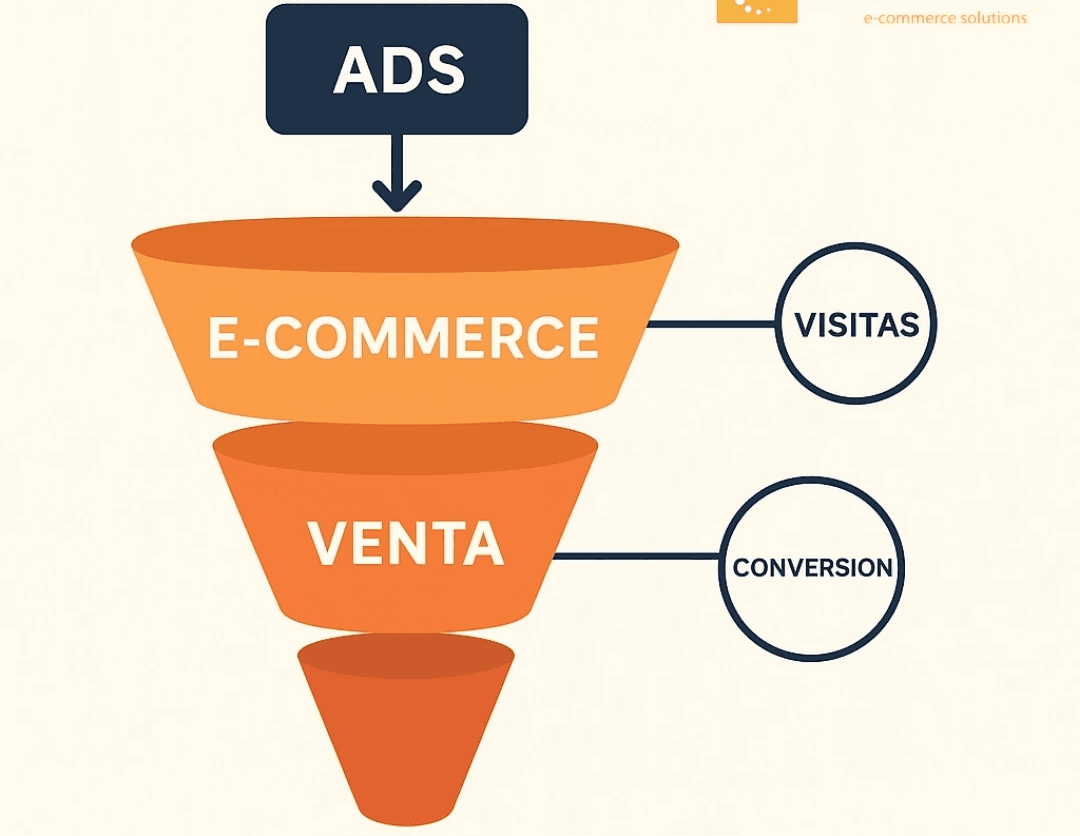
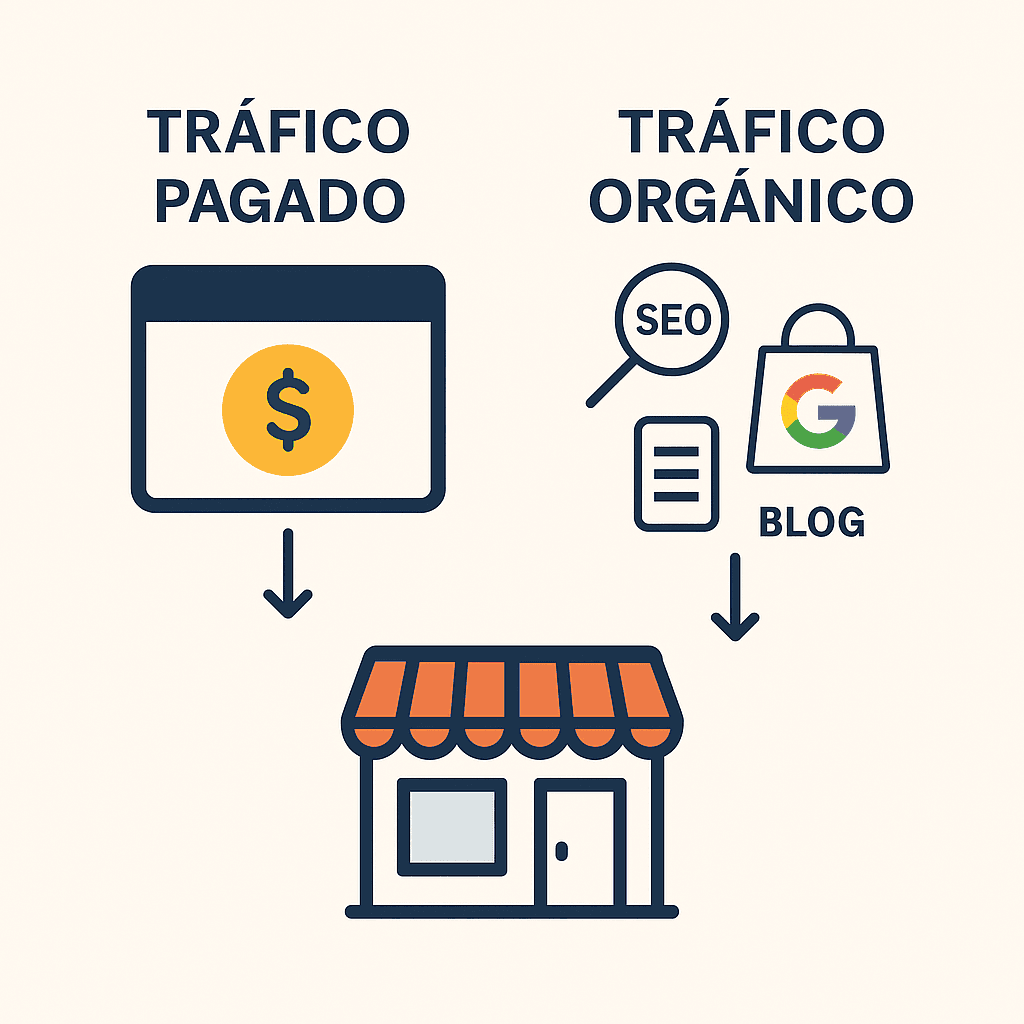
When we think about appearing on Google, the first idea is usually Google Ads (SEM). It is effective, yes, but there is an undeniable reality: at the moment you stop investing budget, your visibility disappears. Essentially, you are "renting" your place in the results.
But, what if you could build a sustainable presence that attracts customers without paying for every click?
This is what we call "organic visibility". It is important to be clear: it is not "free" in the sense that it requires no effort. It requires a strategic investment of time, technical knowledge, and content. However, the results are an asset that endures.
If you have an online store, these are the 6 fundamental ways to get Google to show you to your potential customers without investing in paid ads.
1. Free Product Listings (Google Shopping)
This is perhaps the most powerful and direct tactic for e-commerce. For some time now, Google has allowed products from online stores to appear for free in the "Shopping" tab.
These are the results that show the product photo, price, and your store's name. The user clicking here has a very high purchase intent.
To achieve this, you need to set up your Google Merchant Center and upload the feed of your products (your store's inventory). This feed must be connected and synced with your e-commerce platform. A correct technical setup here is crucial for your products to display properly.
2. SEO (Search Engine Optimization)
SEO is the pillar of organic visibility. It is the set of techniques you apply in your online store to "convince" Google that your page is the best answer for what a user is searching for.
For e-commerce, SEO is divided into three key areas:
On-Page SEO: Ensure that the titles, descriptions, and content of your product and category pages include the keywords your customers use. For example, "Men's running shoes" instead of just "Model X-100".
Technical SEO: This is where your store's platform shines (or fails). It involves having a fast loading speed, a design that works perfectly on mobile (responsive), a clean URL structure, and an updated sitemap.
Off-Page SEO: This is about building your site's authority, mainly by getting quality links from other websites (we will cover this in point 6).
3. Business Profile on Google (Google Business Profile)
You might think this is only for physical businesses, but that's a mistake. Having a Business Profile (formerly Google My Business) is vital even for a 100% digital e-commerce.
Why? Because it gives Google signals that your business is legitimate and real. It verifies your existence. This builds a key factor: trust. A complete profile, with your logo, hours of operation (even if online), and customer reviews, enhances your overall authority and may help you appear in local searches if you have a warehouse or pickup point.
4. Content Marketing (Your Store's Blog)
Users are not only looking for products; they are looking for solutions to their problems. No one searches for "buy TX-50 Teflon pan". They search for "what are the best non-stick pans?".
This is where your blog comes in. By creating useful articles ("Guide to Caring for Your Non-Stick Pans" or "Comparison: Ceramic vs. Teflon"), you attract users who are in the research phase.
Within that article, you can naturally link to the products in your store. You are capturing the customer at the beginning of their purchasing journey, positioning yourself as an expert in your niche.
5. YouTube (Video SEO)
YouTube is not just a social network; it is the second-largest search engine in the world, and it is owned by Google.
"Unboxing" videos, product usage tutorials, comparisons, or reviews are incredibly effective. When a user searches for "review [your product]", Google often shows YouTube videos directly on the search results page.
Creating video content that showcases your product in action builds trust and targets another search vein, doubling your chances of being found.
6. Guest Blogging (Building External Authority)
This is the main component of "Off-Page SEO". Guest Blogging involves writing an article as a guest on another relevant blog or website in your industry (not a competitor, but an ally, like a fashion blog if you sell accessories).
The goal is that within that article, they include a backlink to your online store. For Google, every quality link from a respectable site is a "vote of confidence" that transfers authority to you and helps you climb ranks.
Organic visibility is an asset, not an expense
As you can see, none of these strategies involve paying Google for a click. However, they all require a clear strategy and impeccable technical execution, from how your store is built (Technical SEO) to how you connect your inventory (Merchant Center).
At TECNOFIN, we not only develop your online store; we create the organic visibility strategy to make it profitable in the long term.
Do you want your e-commerce to rank sustainably on Google? Contact our experts today and request a quote for your comprehensive project.

Tecnofin is your trusted partner in the e-commerce sector. We have a team of expert developers who provide personalized service to help you design a virtual store that meets the specific needs of your business. Don't hesitate to contact us to receive a quote for the ideal store for your company!